Child Trauma Therapy
When a child has experienced trauma, it can feel like the whole family is walking on eggshells.
You may notice big emotions, meltdowns that seem to come “out of nowhere,” shutdowns, aggression, anxiety, sleep struggles, clinginess, difficulty trusting, or behaviors that leave you wondering:
“What happened to my child… and how do I help them feel safe again?”
For children impacted by trauma, foster care experiences, disrupted attachment, neglect, abuse, loss, or adoption-related challenges, behaviors are often not about “being bad.” They are the nervous system’s way of communicating stress, fear, overwhelm, or survival.
At Dalmatian Place, we help children and families move beyond simply managing behaviors. We focus on helping children feel emotionally safe, connected, understood, and empowered to heal.
Understanding Trauma Through a Child’s Eyes
Children do not always have the words to explain what they are carrying inside.
Trauma may show up as:
Emotional outbursts or rage
Difficulty trusting adults
Anxiety or constant worry
Sensory overwhelm
Perfectionism or people-pleasing
Aggression or defiance
Withdrawal or emotional shutdown
Difficulty with transitions
Trouble sleeping or nightmares
Regression in behaviors
School difficulties
Attachment struggles
Grief and loss reactions
For children in foster care or adoptive families, trauma can also include complicated feelings around identity, belonging, rejection, fear of abandonment, loyalty conflicts, and grief that others may not fully see.
Many parents come to therapy exhausted, discouraged, and wondering if they are doing something wrong.
You are NOT expected to have all the answers. You do NOT have to do this ALONE.
Our Approach to Child Trauma Therapy
Healing does not happen through pressure, punishment, or forcing children to “just talk about it.”
Children heal through:
Safety
Connection
Regulation
Play
Predictability
Trusting relationships
Our approach is rooted in trauma-informed care and incorporates principles from TraumaPlay, attachment-focused work, expressive therapies, and nervous system regulation strategies specifically designed for children.
Therapy may include:
TraumaPlay-informed interventions
Play therapy
Art and expressive activities
Sensory-based coping skills
Attachment-focused interventions
Emotional regulation skill building
Narrative and storytelling work
Parent support and coaching
Strength-based trauma processing
Creative coping tools children can actually use
Because children communicate through play long before they can fully communicate through words, therapy is designed to meet them where they are developmentally and emotionally.
Our goal is not to blame parents or “fix” children.
Instead, we work to help families better understand trauma responses, strengthen connections, reduce shame, and build practical tools that support healing both inside and outside the therapy room.
We believe children do well when they feel safe enough to do well.
What Therapy Can Help With
Child trauma therapy may support children experiencing:
Foster care transitions
Adoption-related trauma
Attachment disruptions
Abuse or neglect
Exposure to domestic violence
Grief and loss
Medical trauma
Anxiety and panic
PTSD symptoms
Emotional dysregulation
Behavioral concerns
School-related stress
Low self-esteem
Family transitions
Sensory and nervous system overwhelm
Every child’s story is different, and therapy is tailored to their unique needs, personality, strengths, and pace.
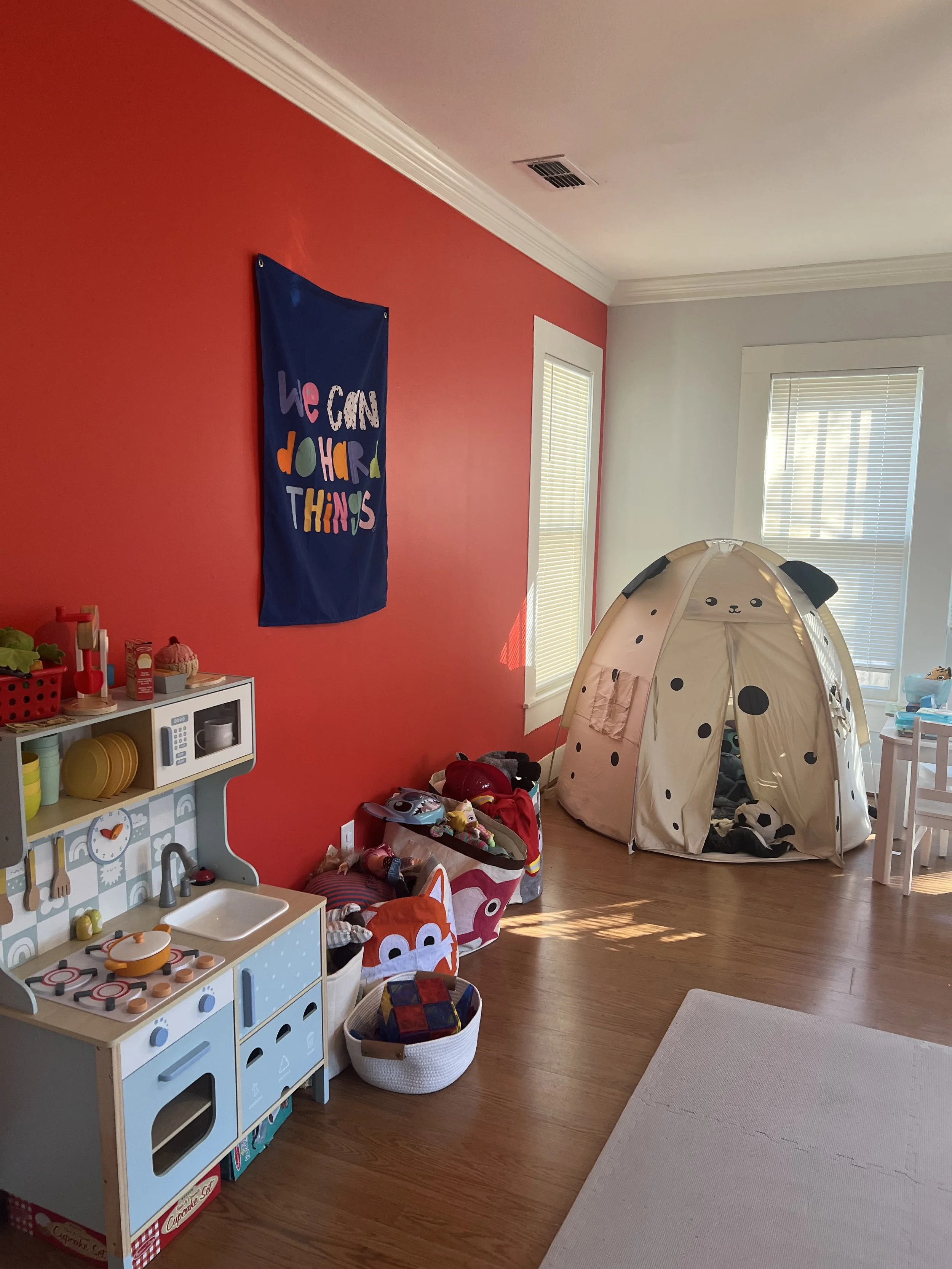
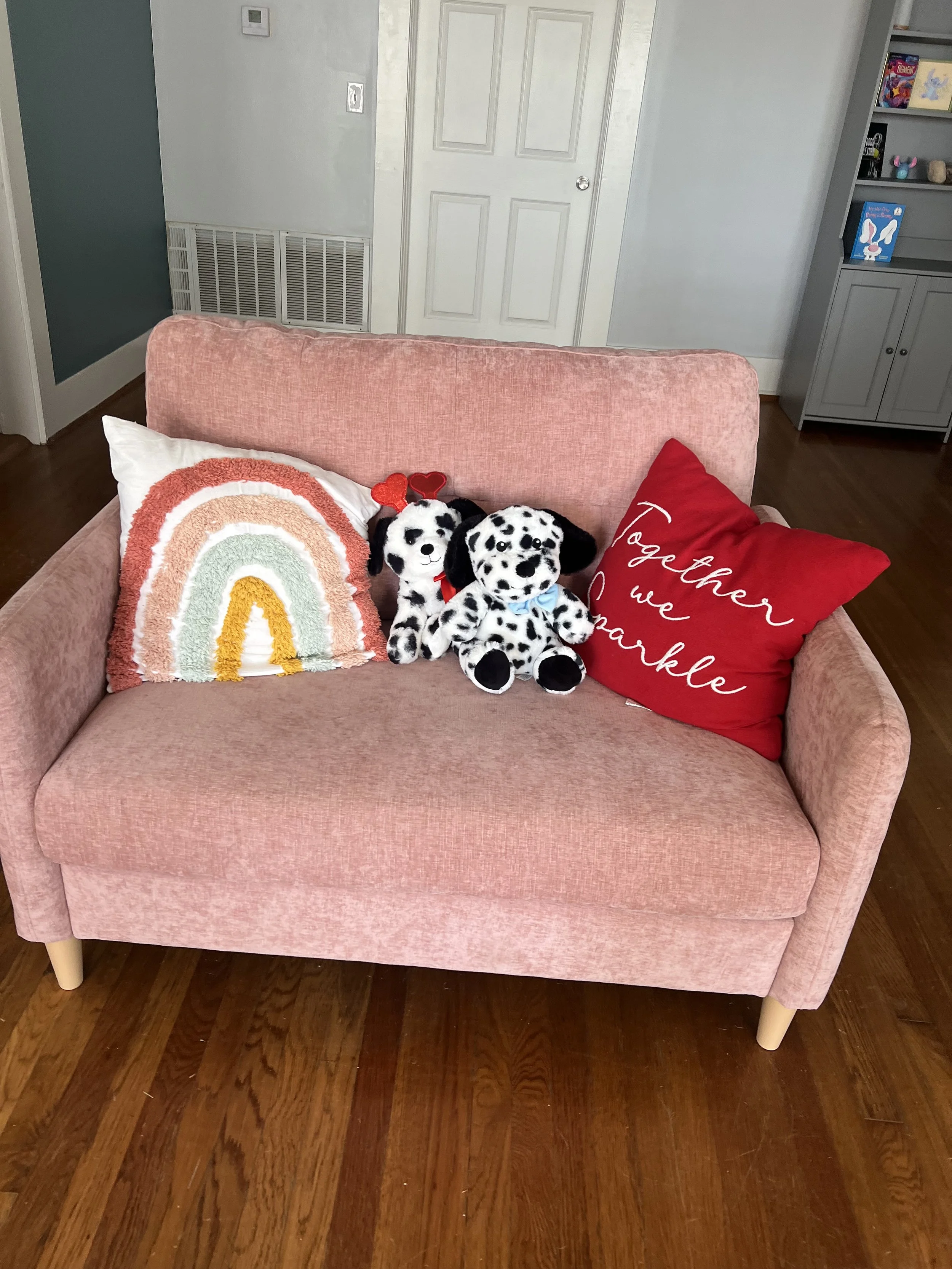
A Space Where Kids Can Feel Safe Again
Children often heal best when they do not feel judged, pressured, or “different.”
At Dalmatian Place, we strive to create a space where children can:
Feel emotionally safe
Build confidence
Learn coping skills
Express emotions creatively
Strengthen attachment and connection
Experience joy, play, and hope again
Healing IS possible, and families do not have to navigate trauma ALONE.
Ready to Get Started?
If your child is struggling after trauma, foster care experiences, adoption transitions, loss, or overwhelming life events, support is available.
Contact Dalmatian Place to learn more about child trauma therapy services or to schedule a consultation.